The selfie at four distances
Same face, same framing, four focal lengths. Matching the framing each time means standing four different distances away.
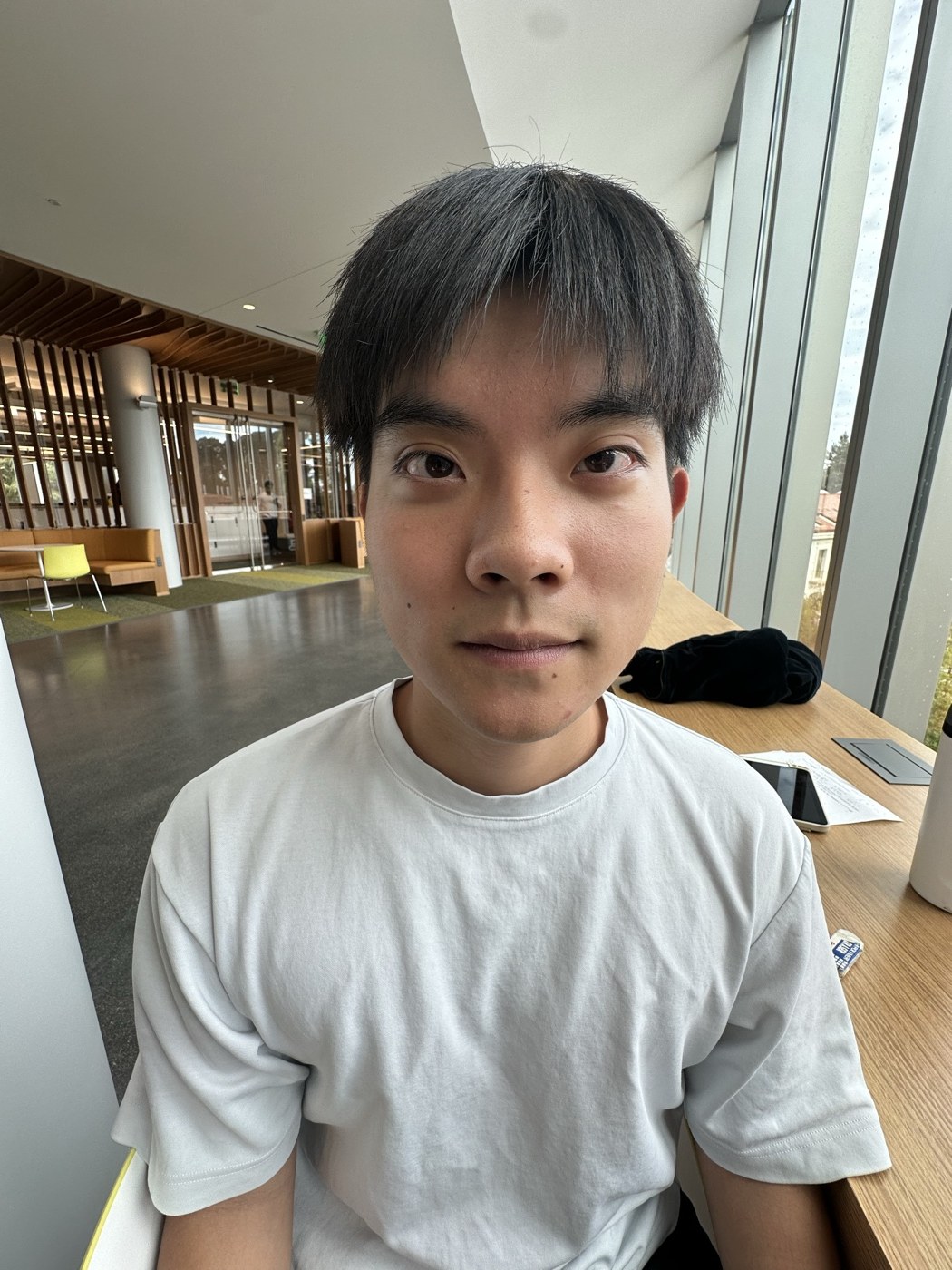
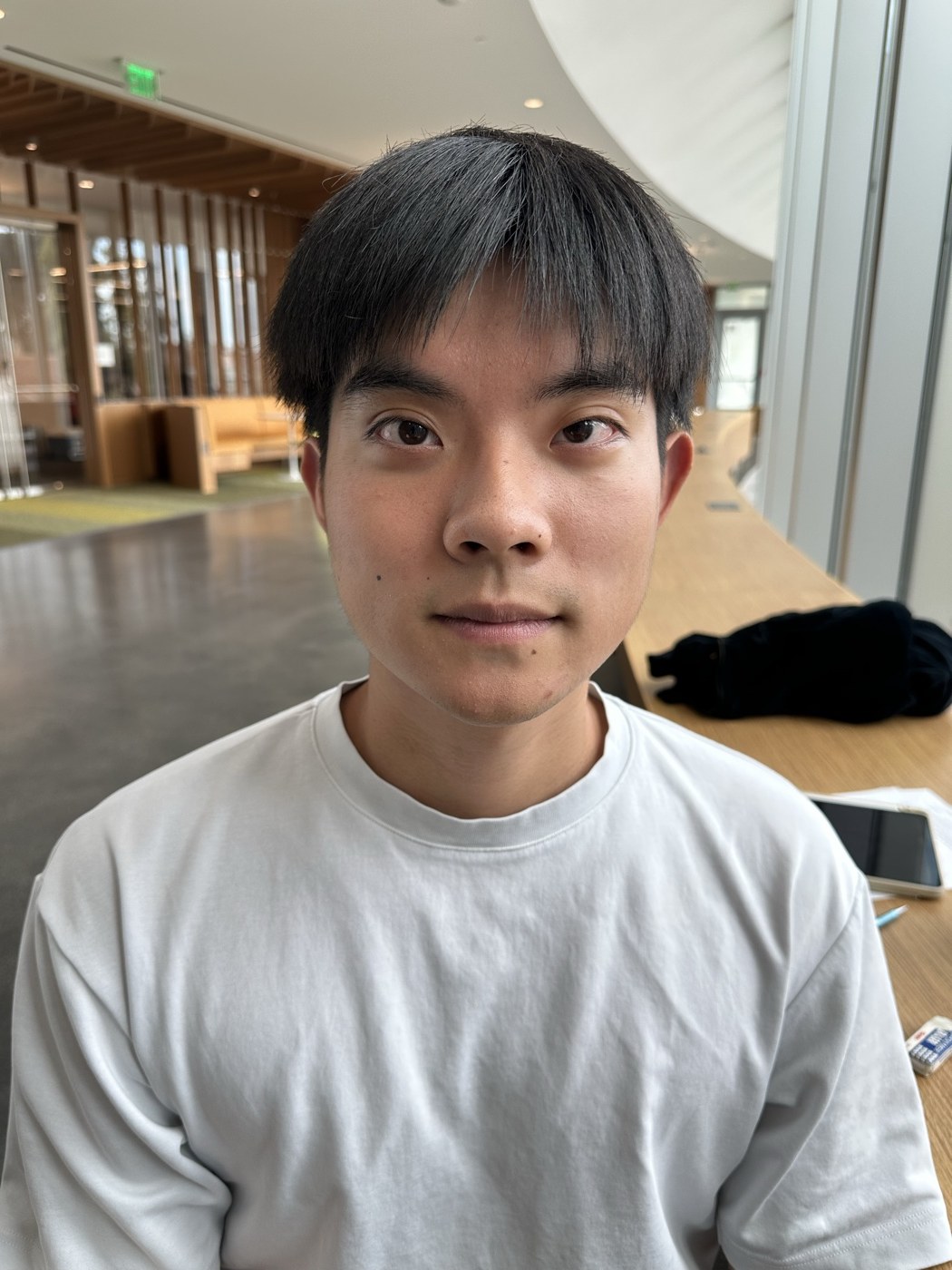
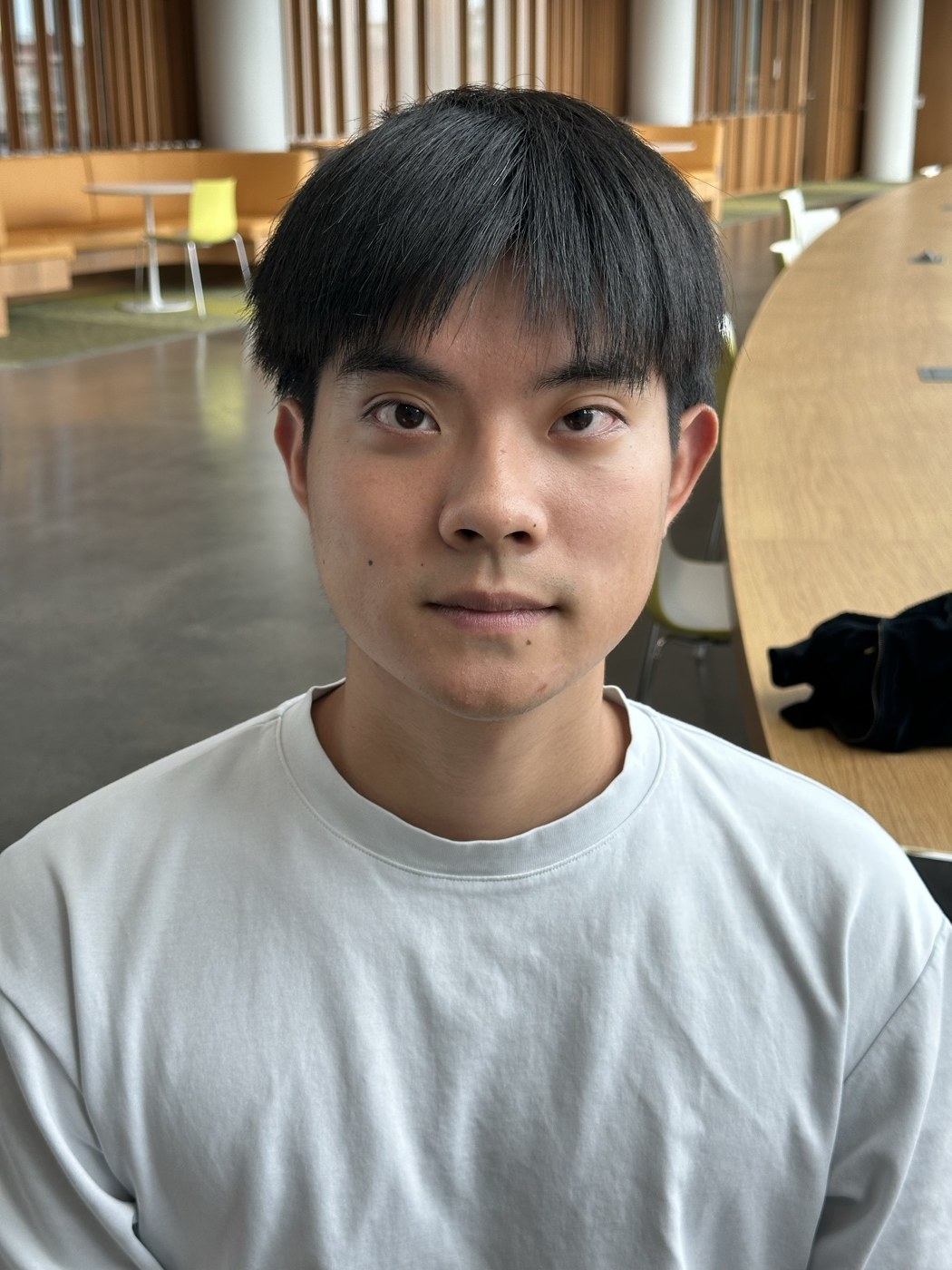

Wide lenses do not warp faces. A pinhole camera has no lens and does the same thing.
A feature at depth d projects at a size proportional to f/d. My nose sits at d, my ears about 10 cm behind at d + 10 cm, so their relative size is:
d : d + 10 cm
Focal length cancels. Only distance matters. At 25 cm my ears are 40 % further from the camera than my nose, so they project at 71 % of the scale and the face reads as distorted. At 2.5 m that same 10 cm is a 4 % change, so the whole face projects at nearly one scale. Zooming to 136 mm does not fix my face. It lets me stand far enough back that there is nothing to fix.
Perspective compression
The same experiment run backwards, on a building.
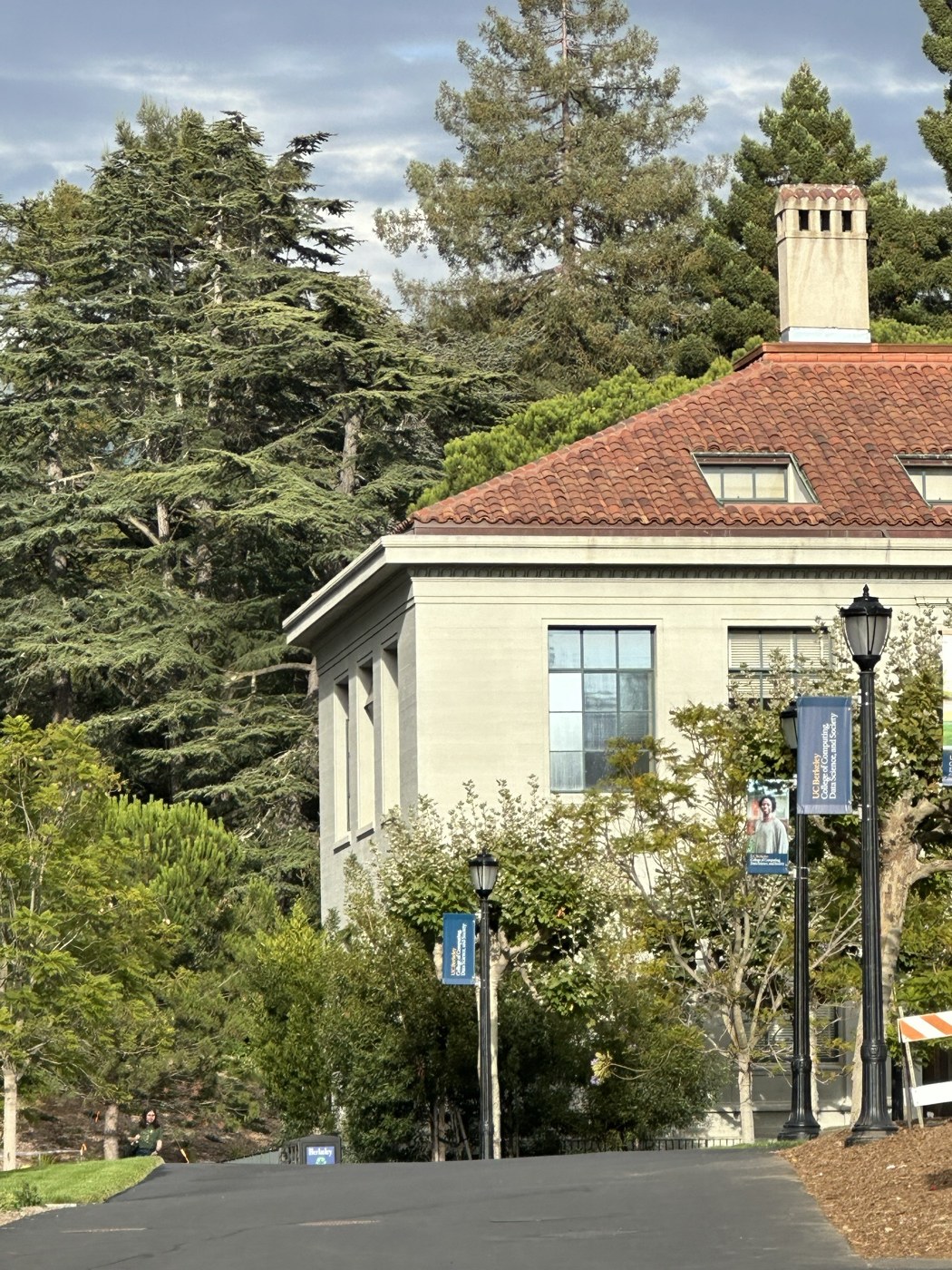
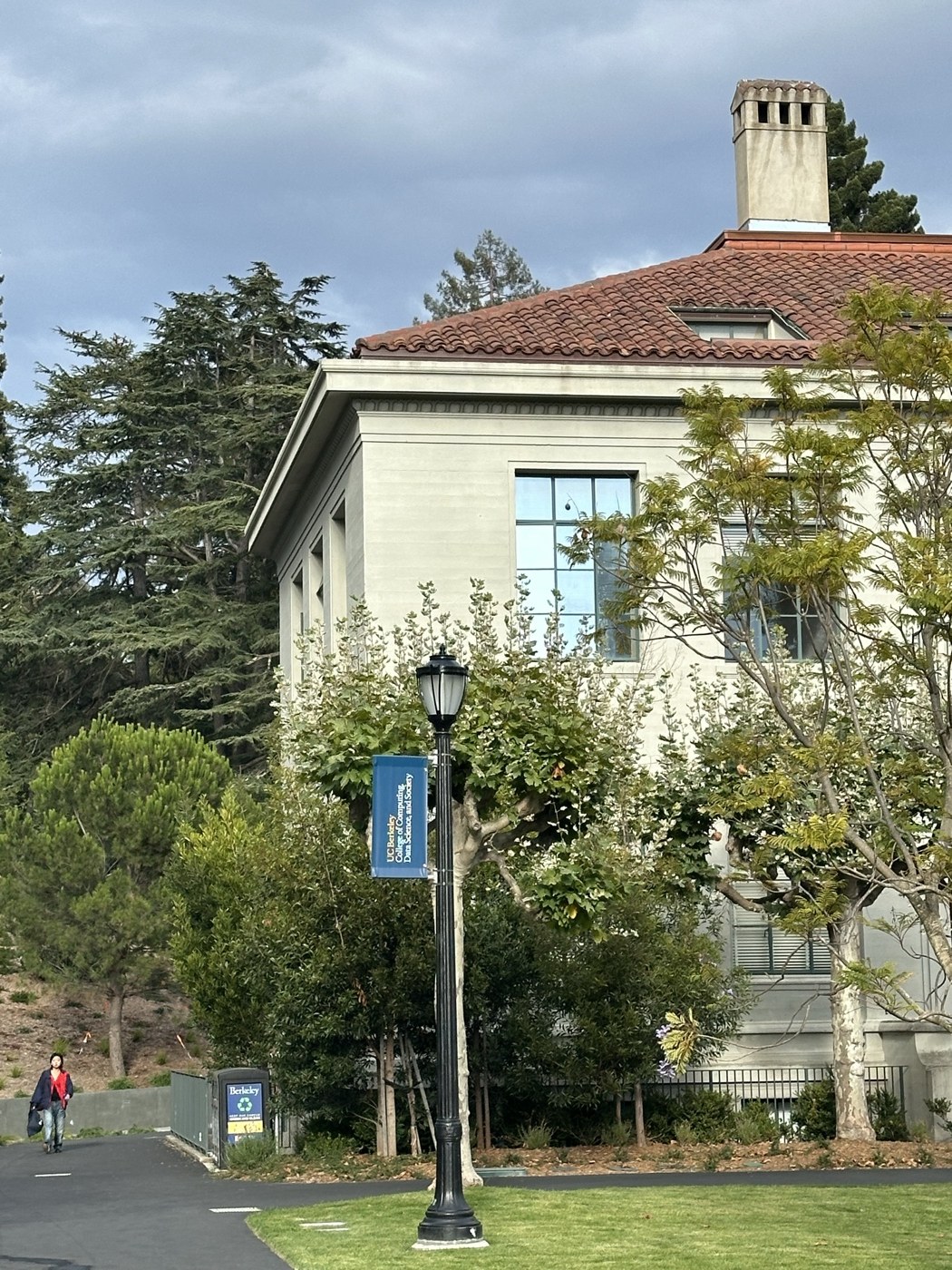
Both frames put the building at about the same size, so distance is again the only variable.
From far back, the depth between the building and the trees behind it is a small fraction of my distance to either one, so both project at almost the same scale and the layers stack flat. Walking in makes that same depth a large fraction of a much shorter distance, so near things grow faster than far ones and edges converge harder.
The dolly zoom
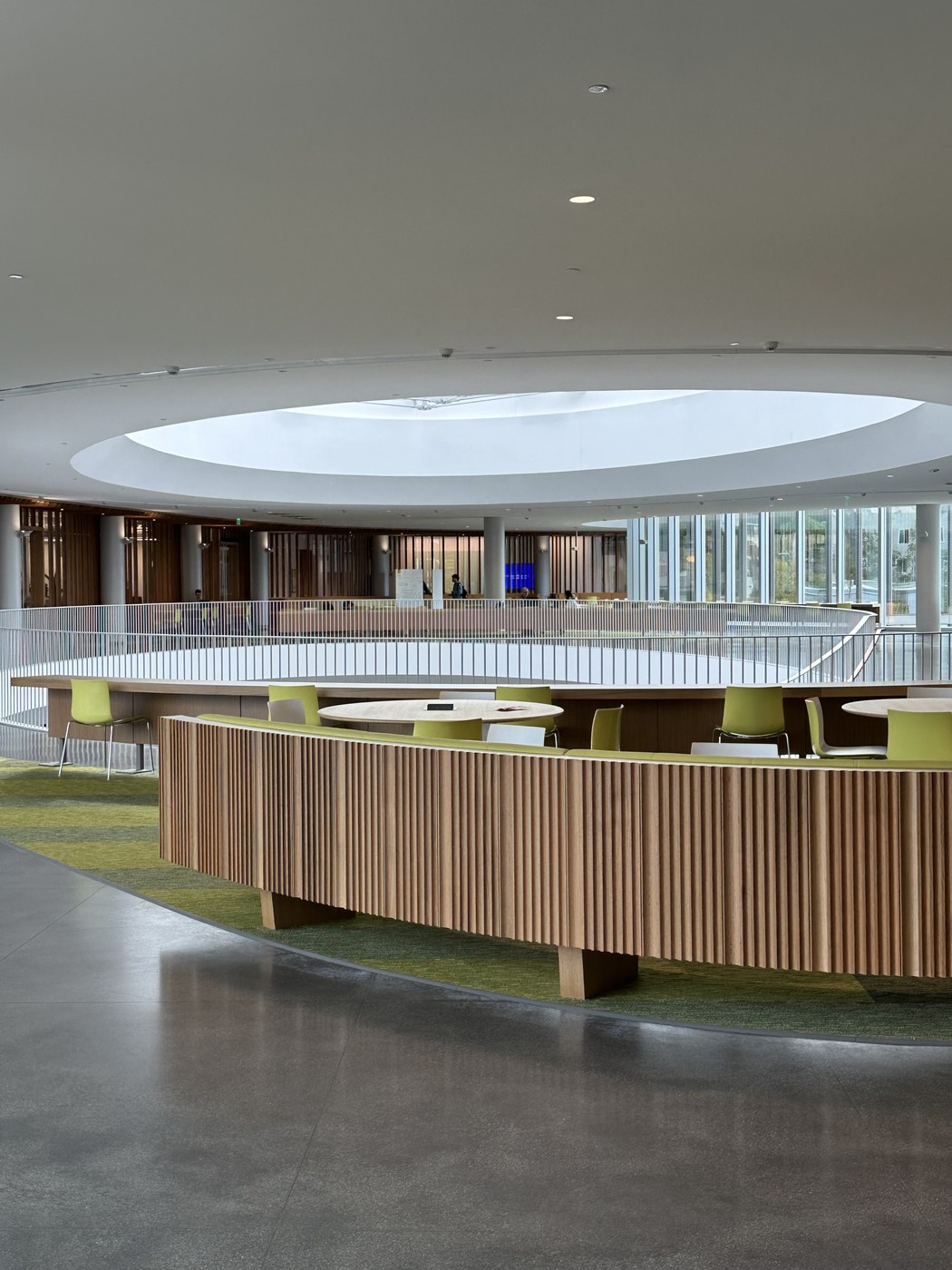
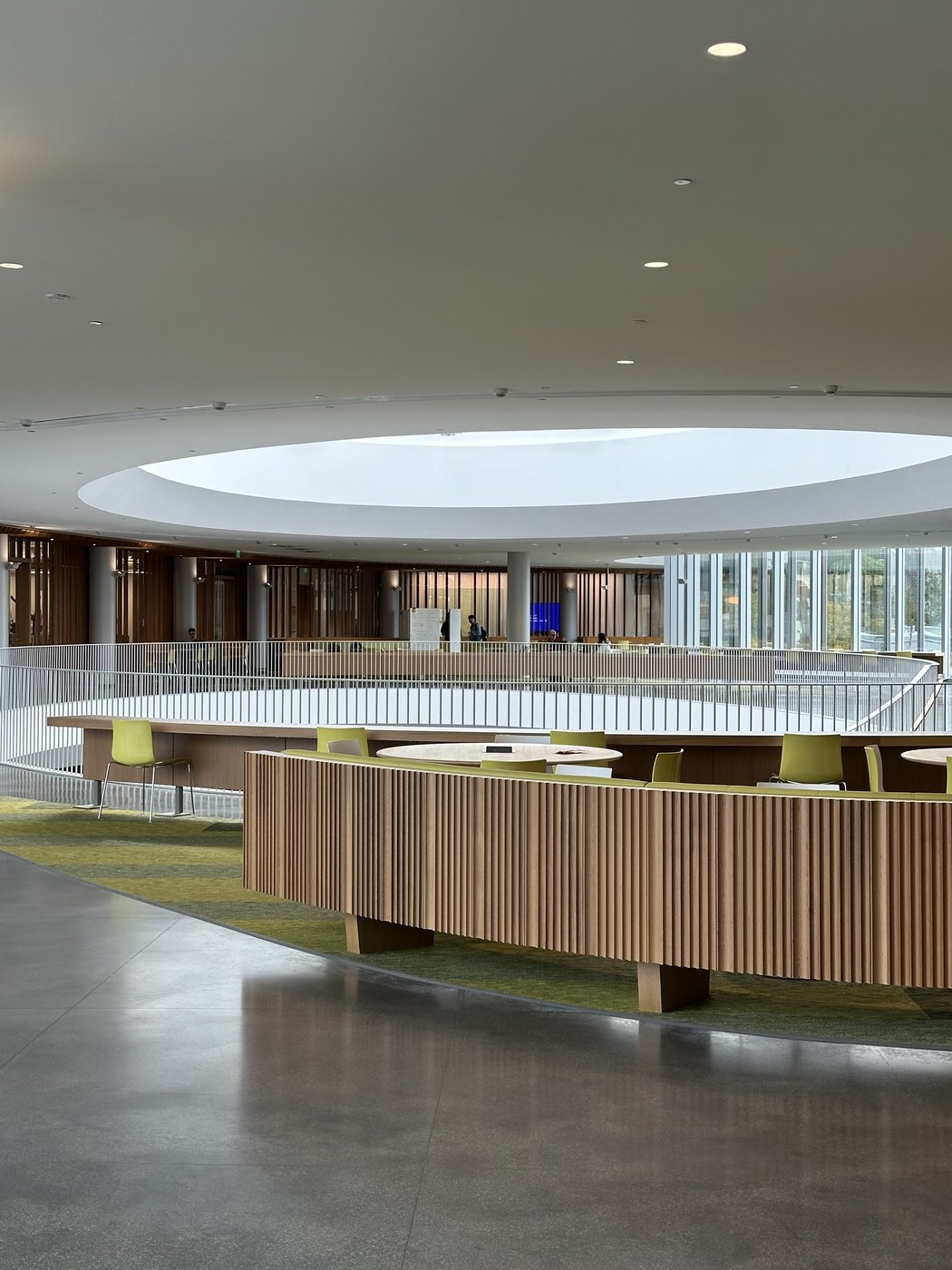
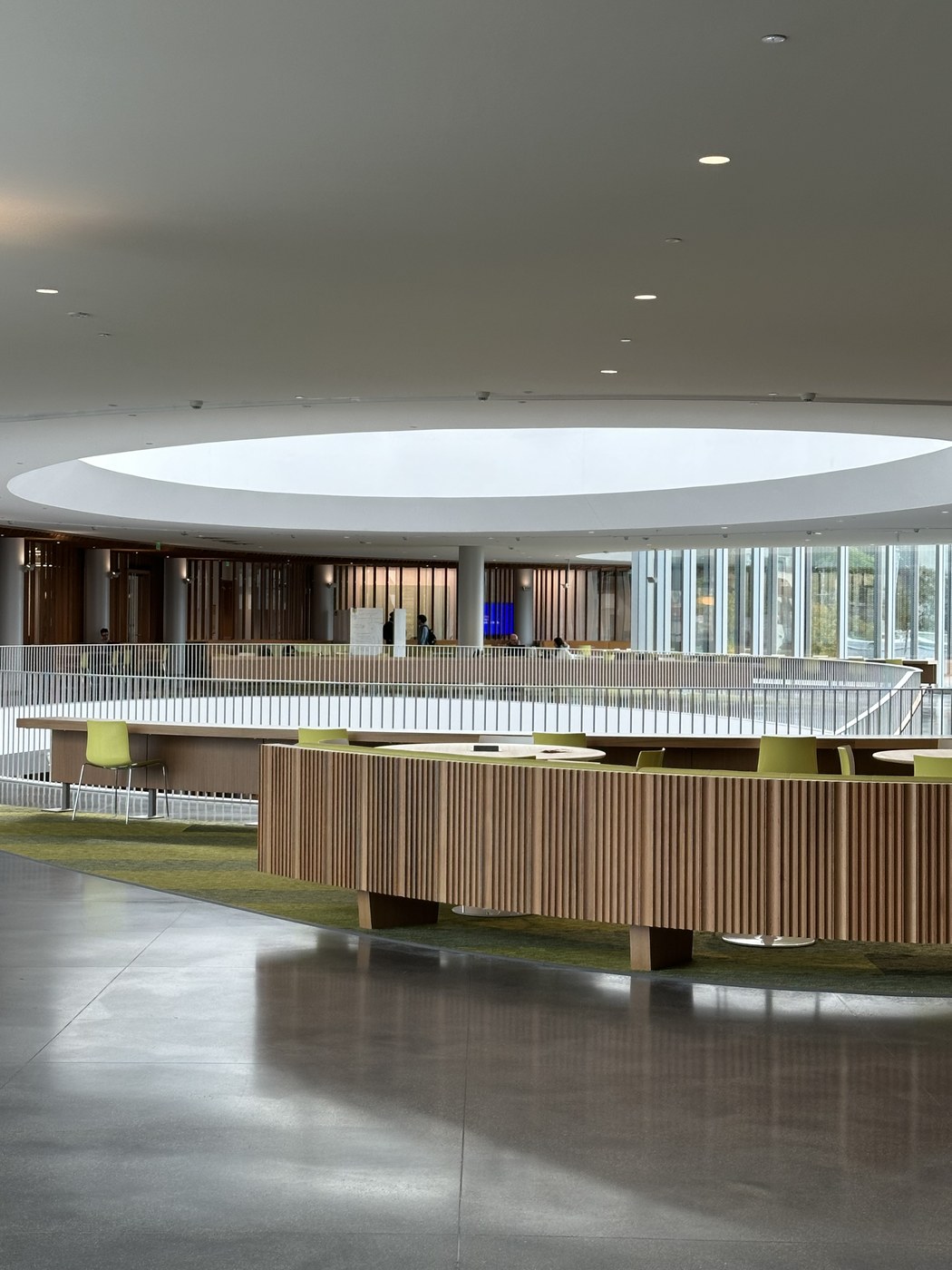
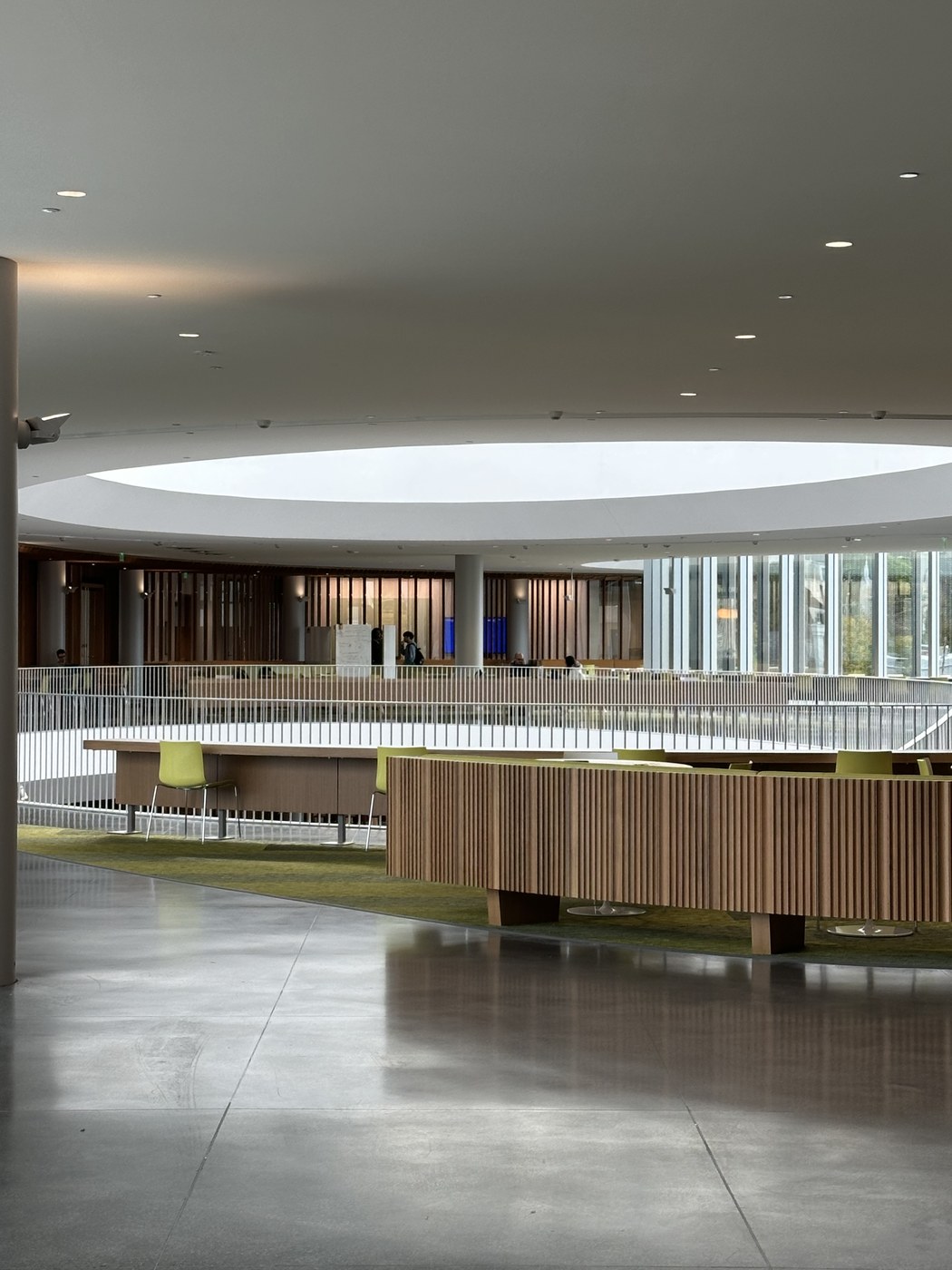
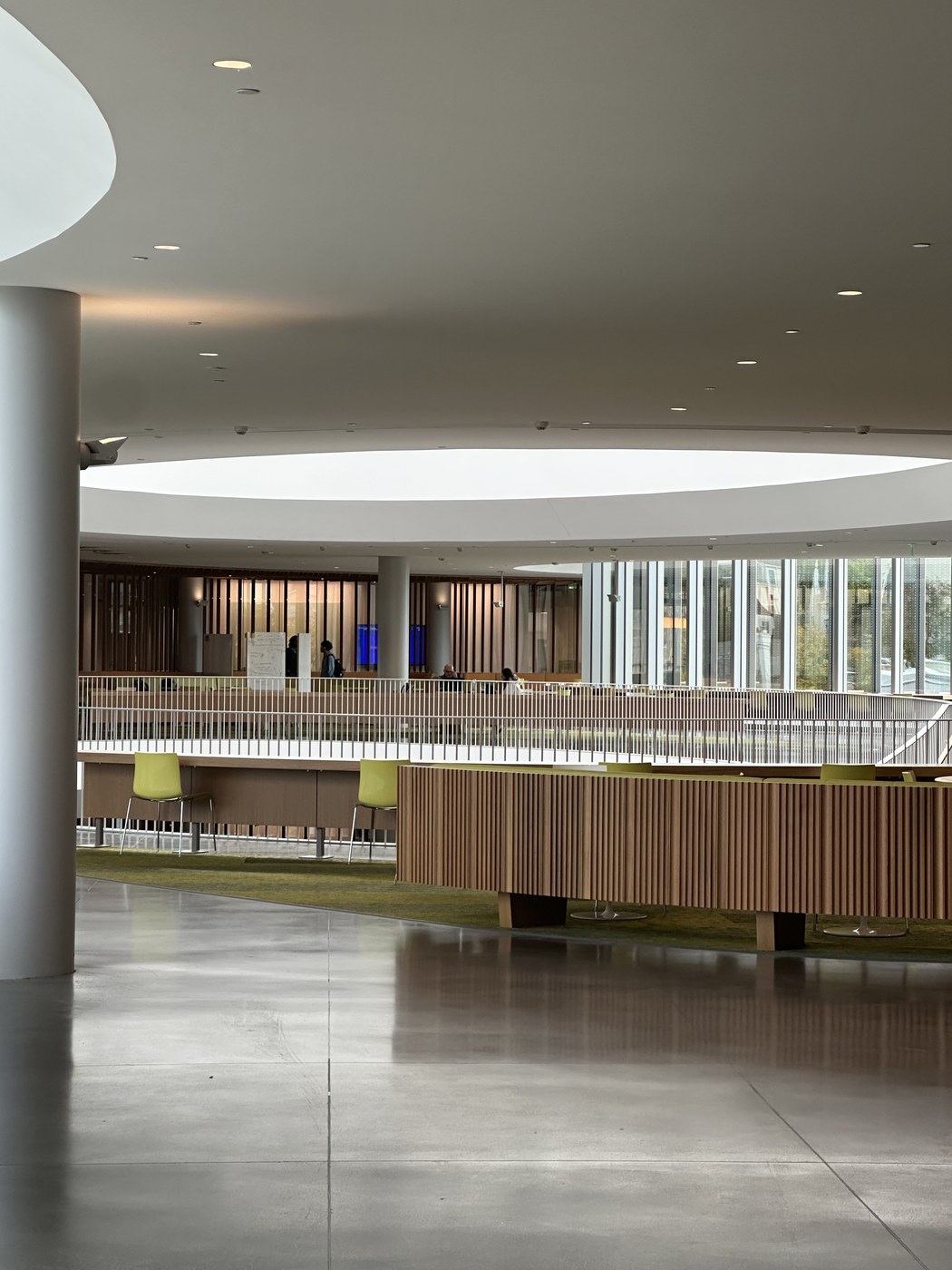
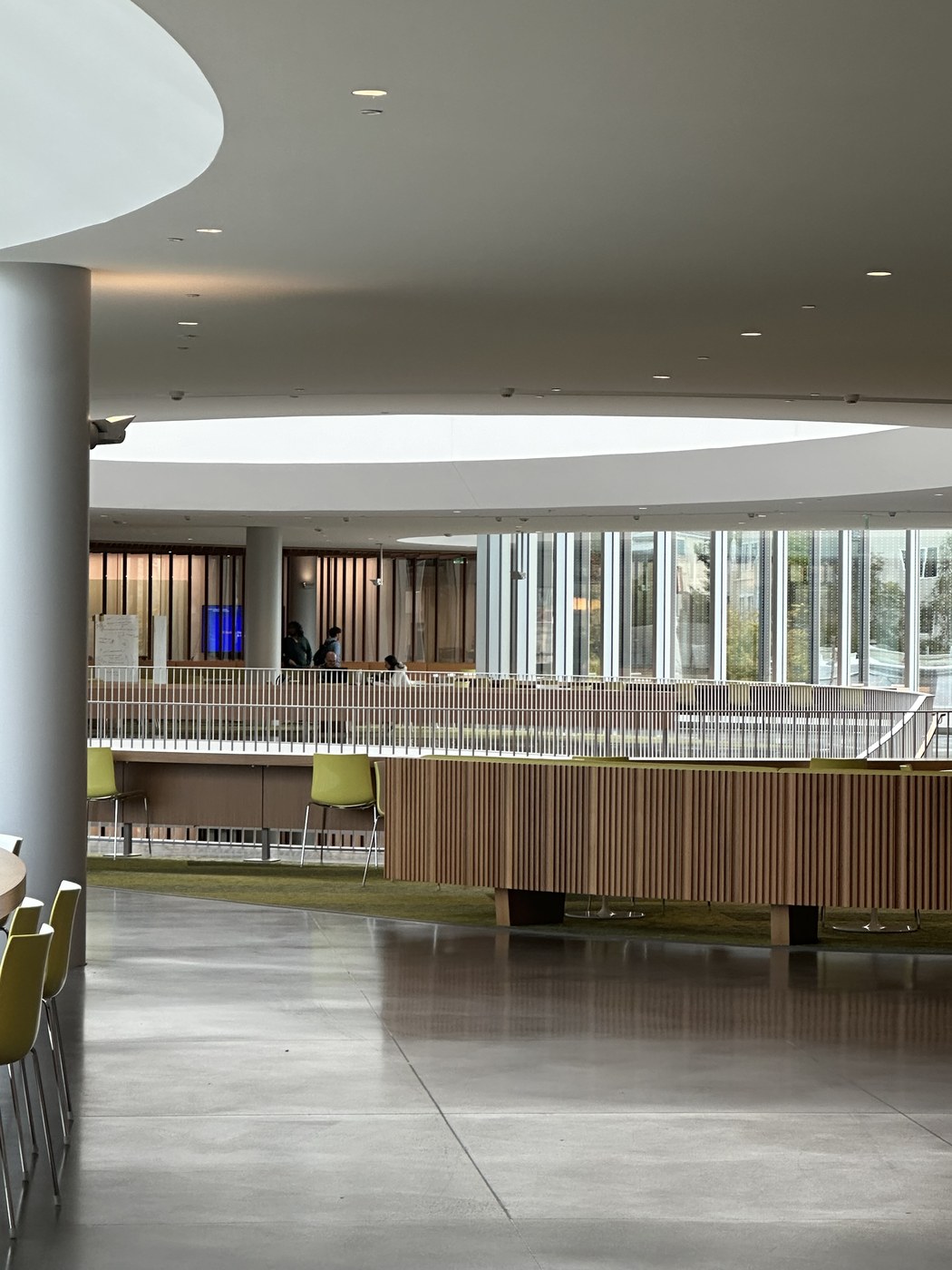
Walk back and zoom in at the rate that holds the subject. The background does not hold.
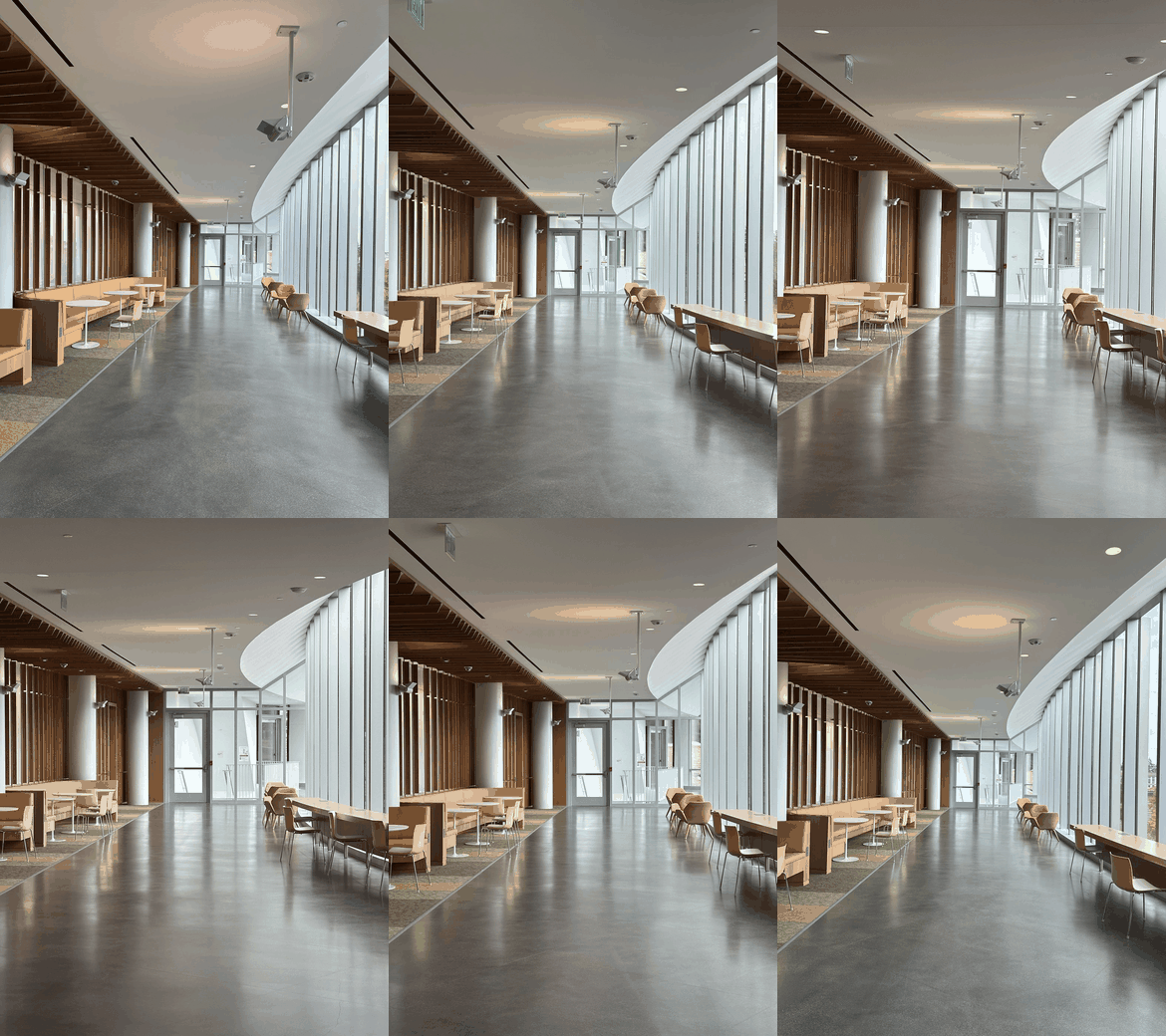
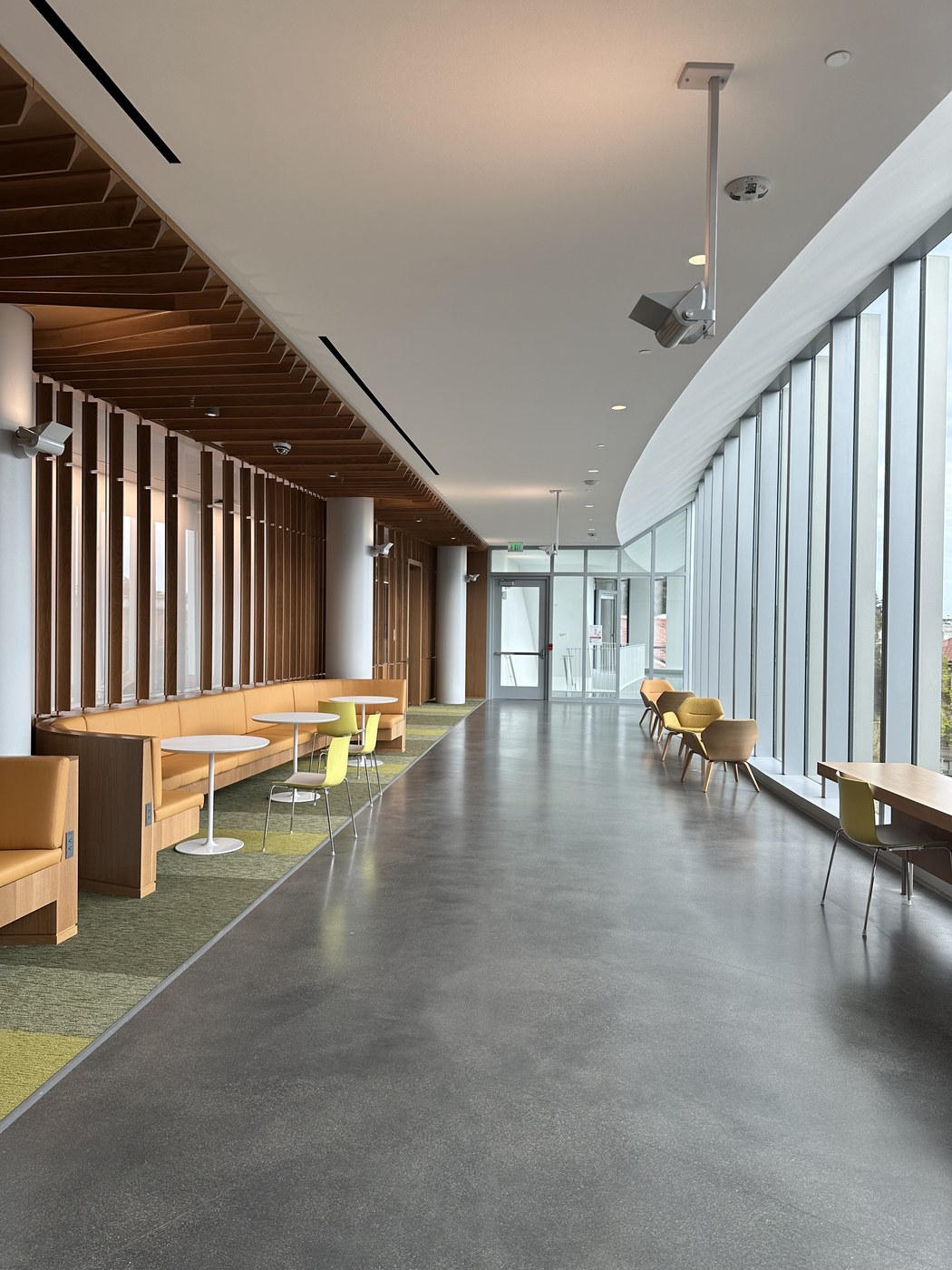
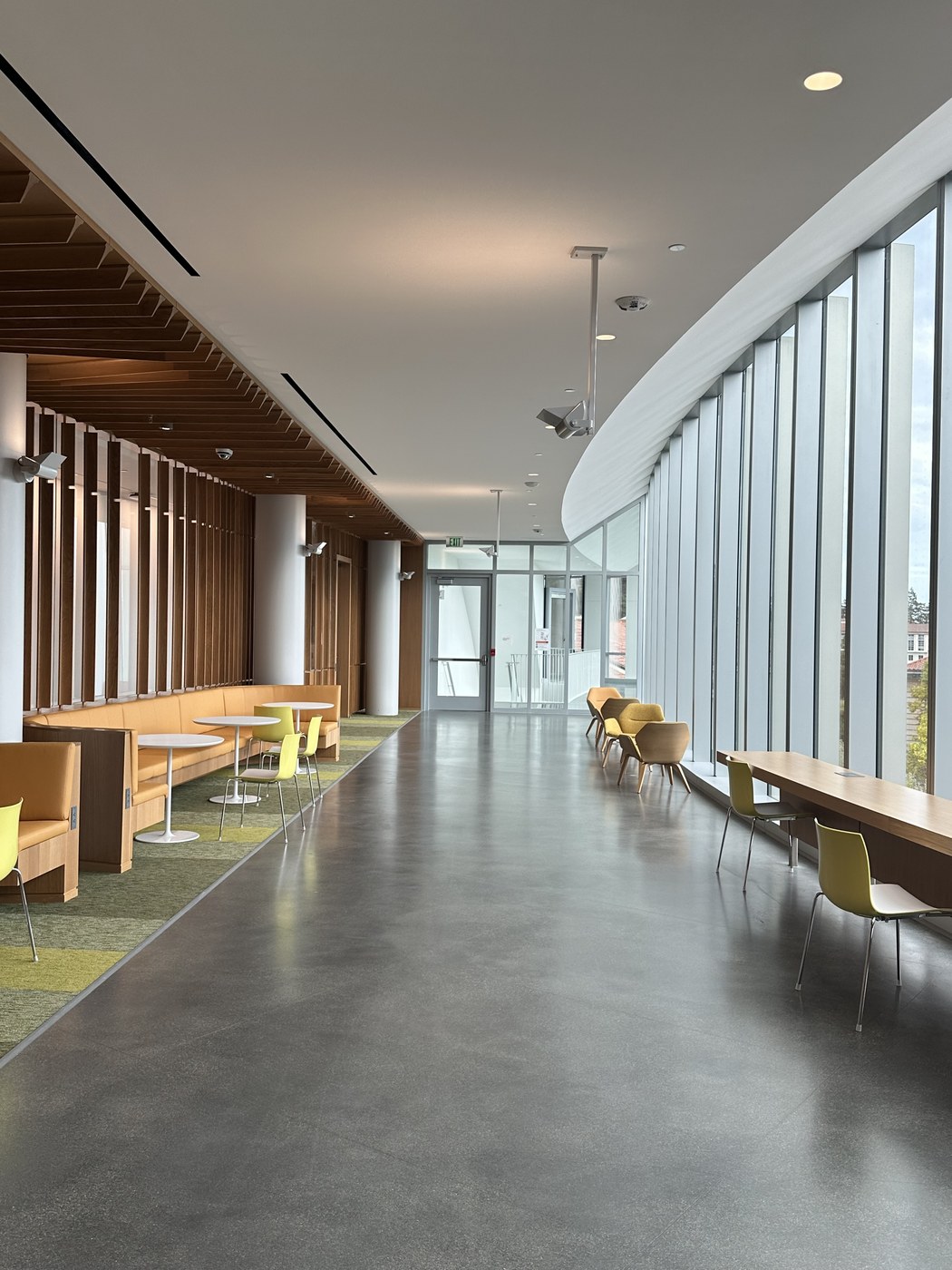
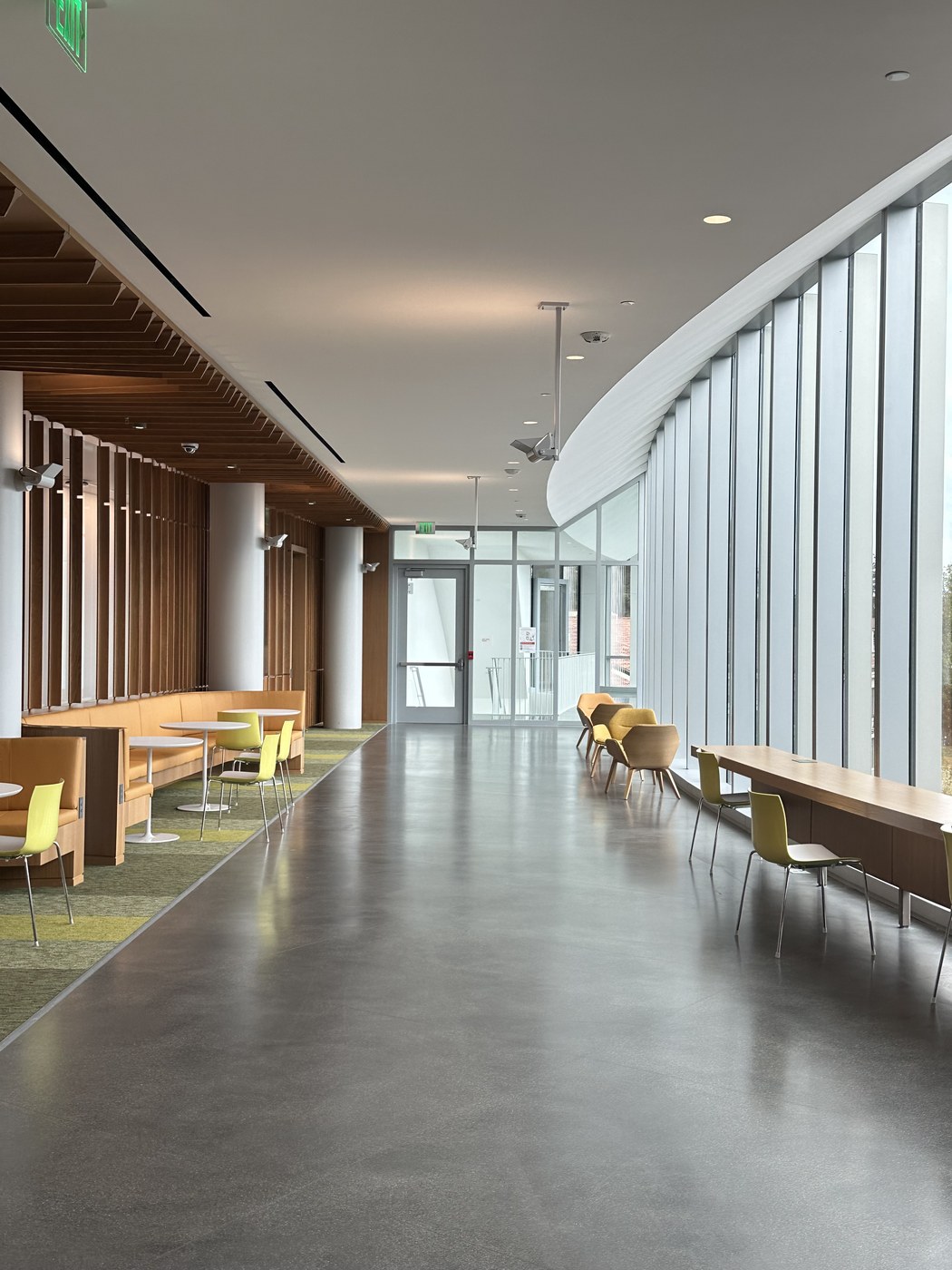
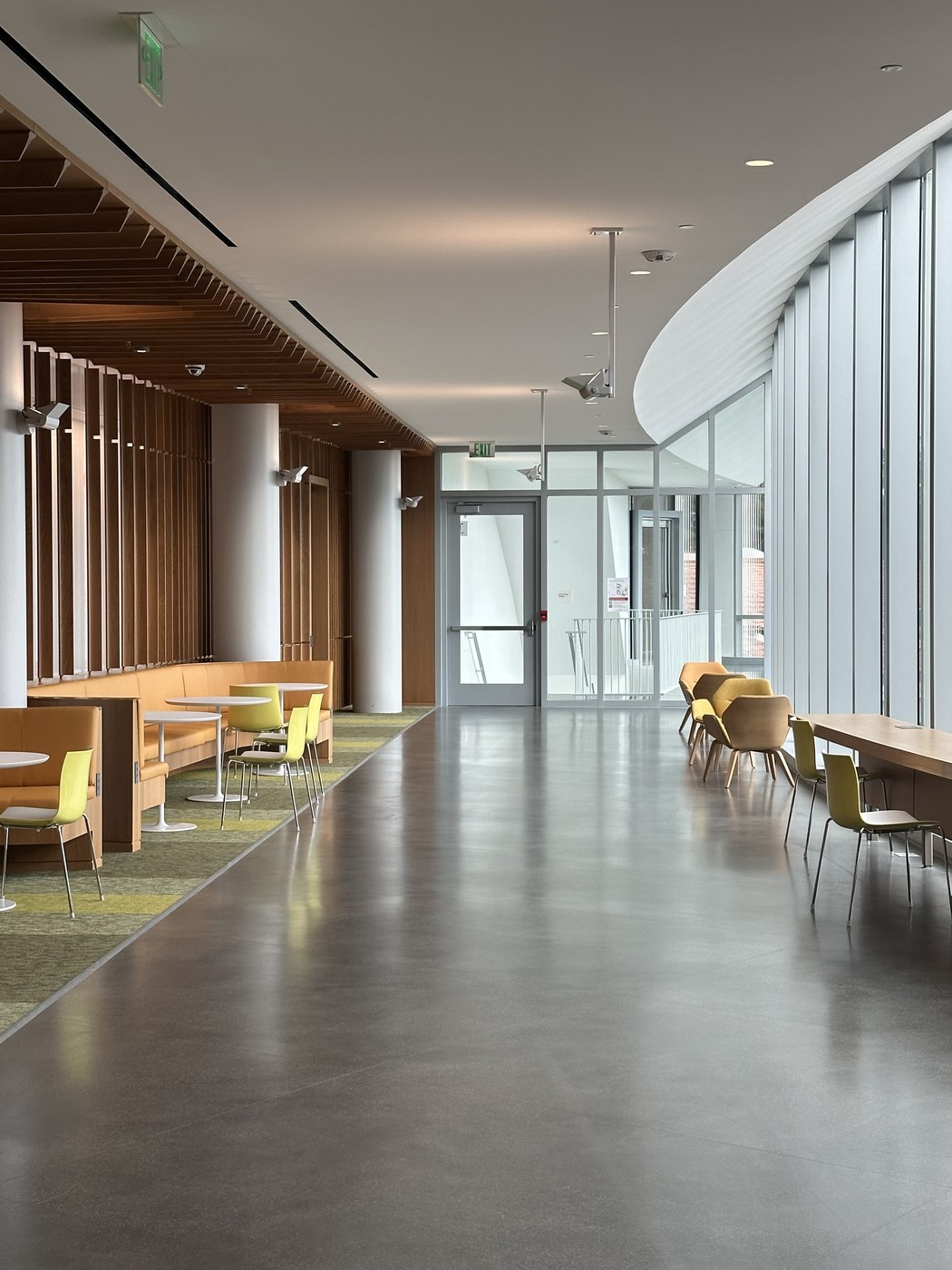
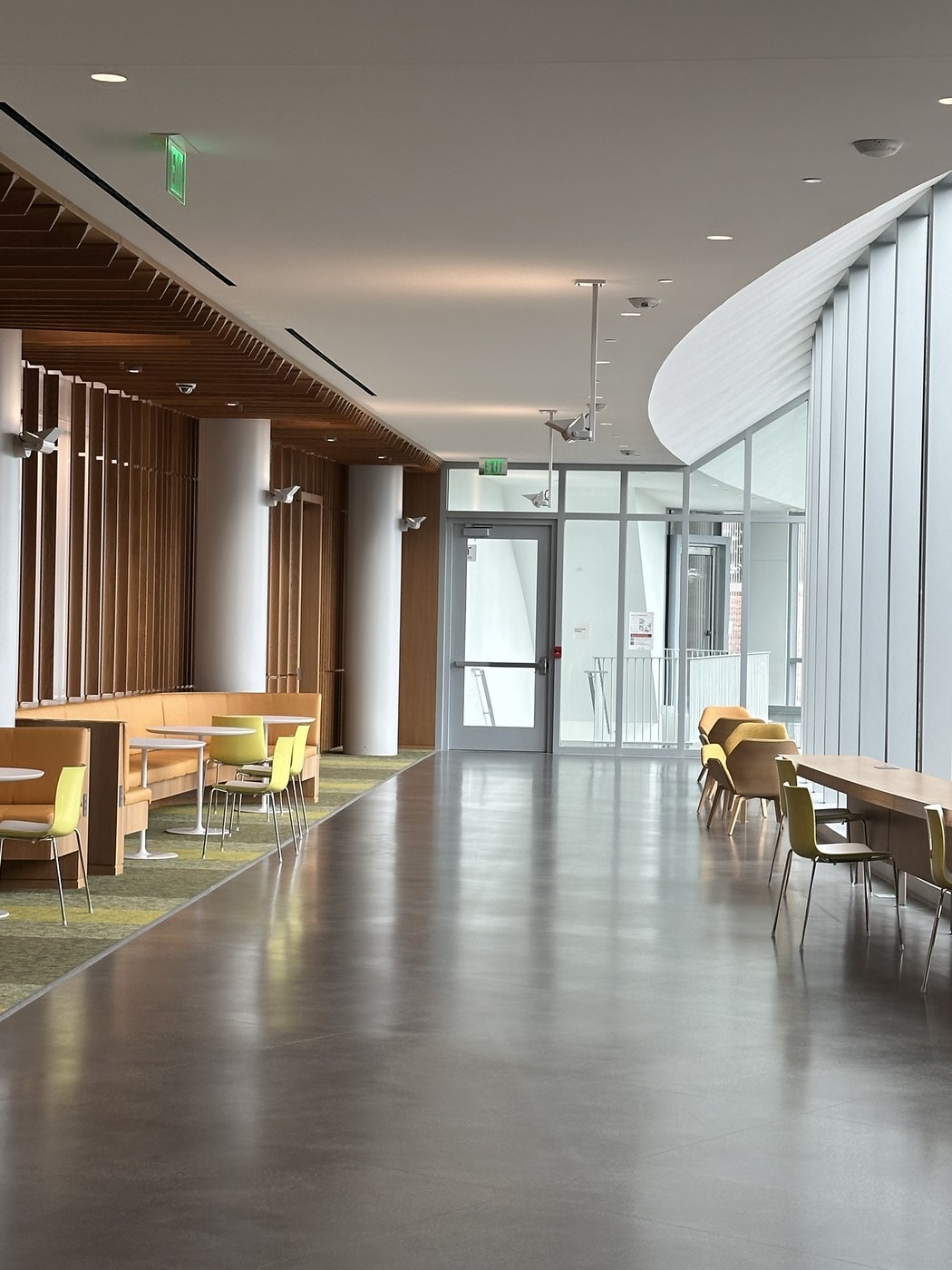
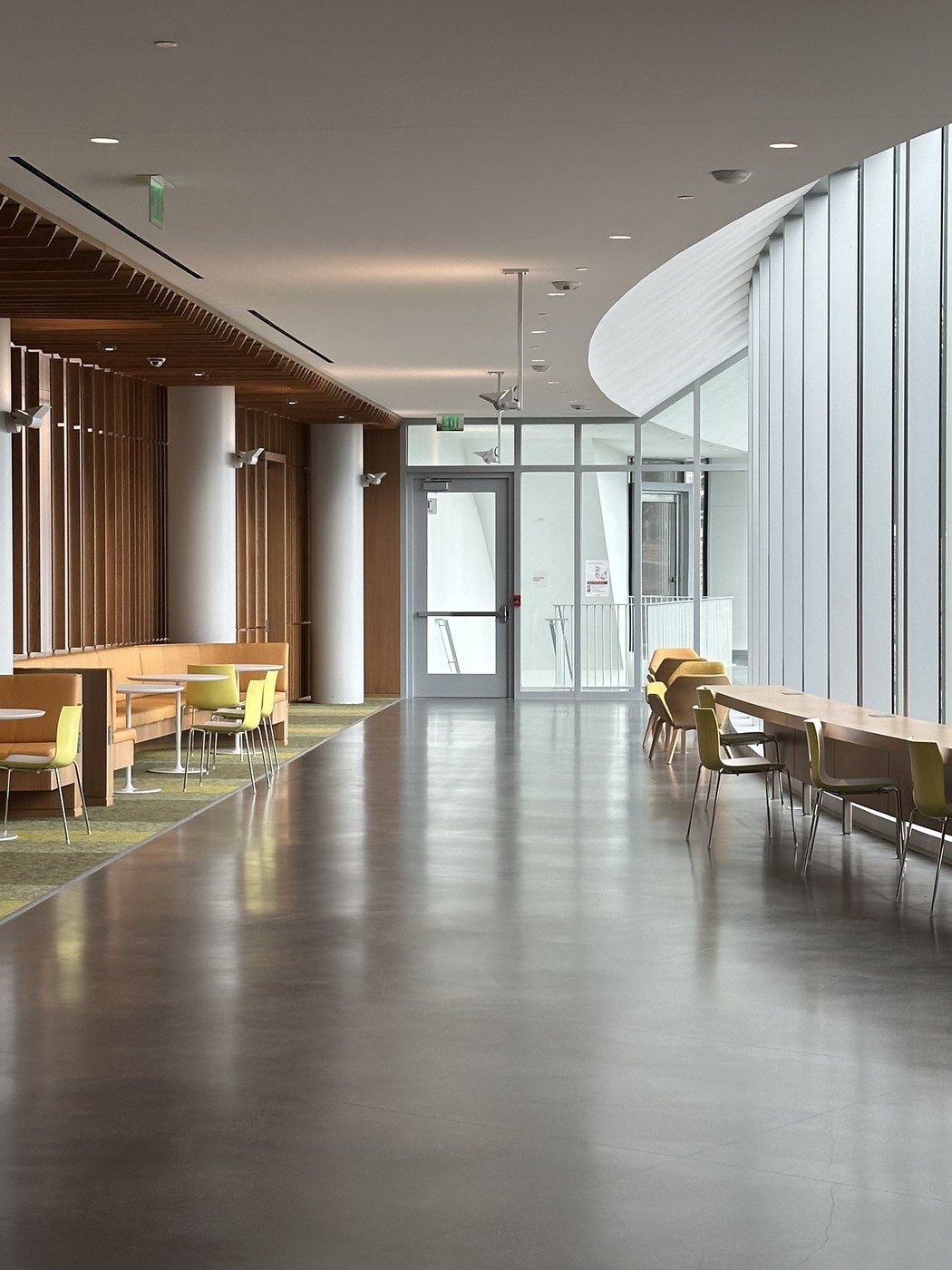
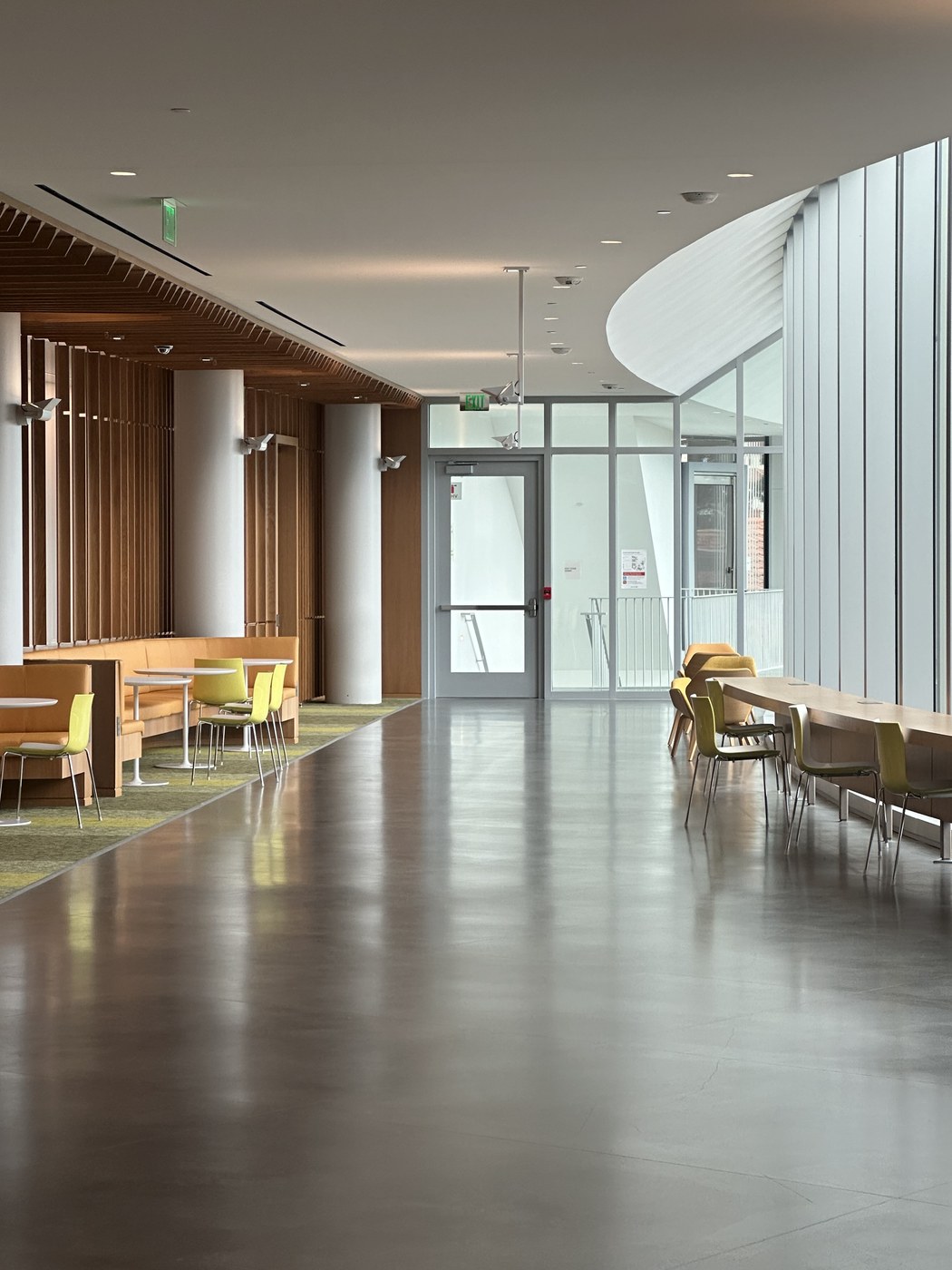
Drag to walk the camera backwards.
24303957707487The subject sits at d. Holding f/d constant as I retreat keeps its size fixed in the frame.
The far end of the corridor is at d + Δ and scales as f/(d + Δ), so relative to the subject it is:
d / (d + Δ)
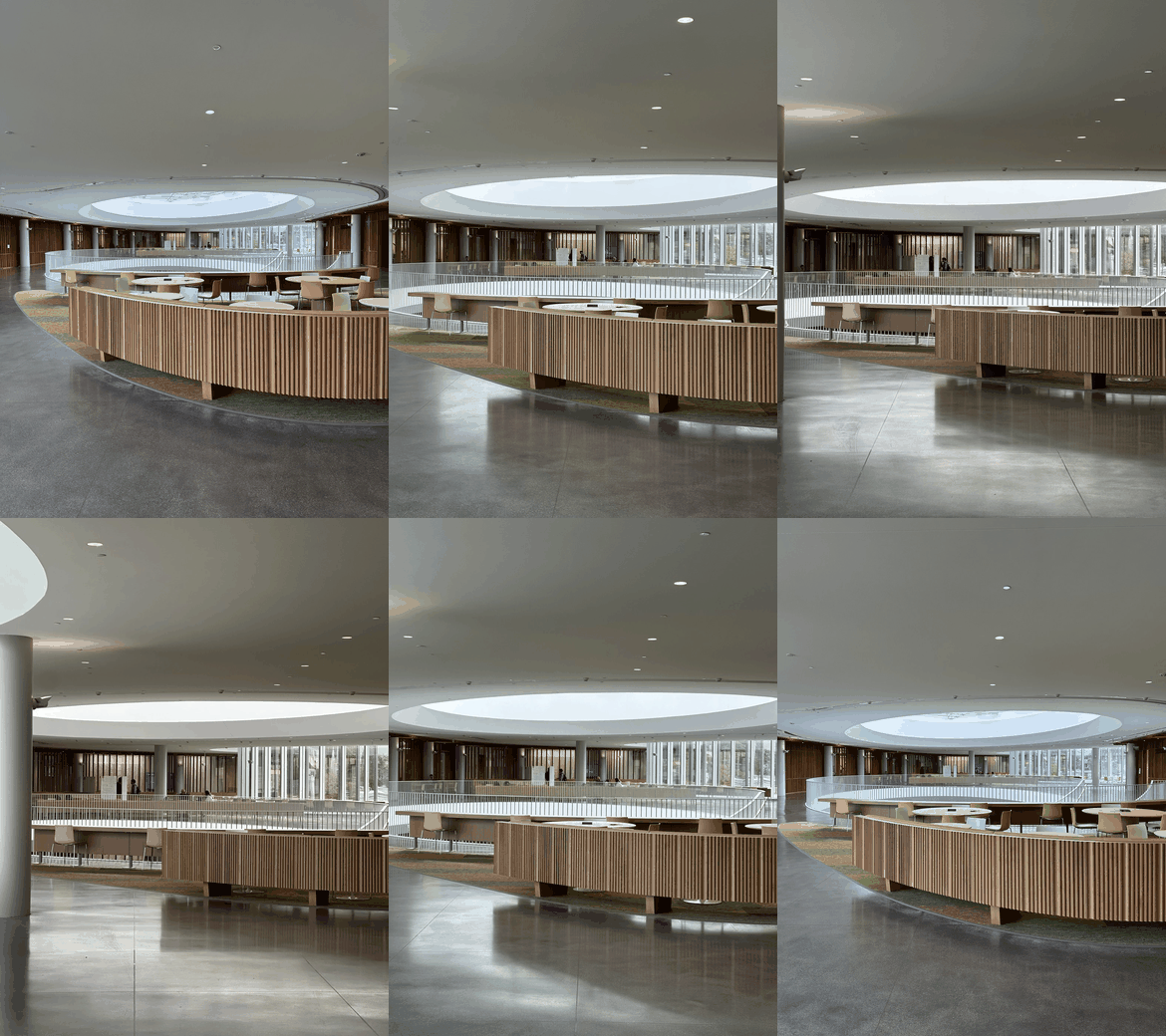
As I walk back, d grows while Δ stays fixed, so that ratio climbs toward 1. The background swells while the subject stays put. It is the Part 2 effect, animated.
Second take
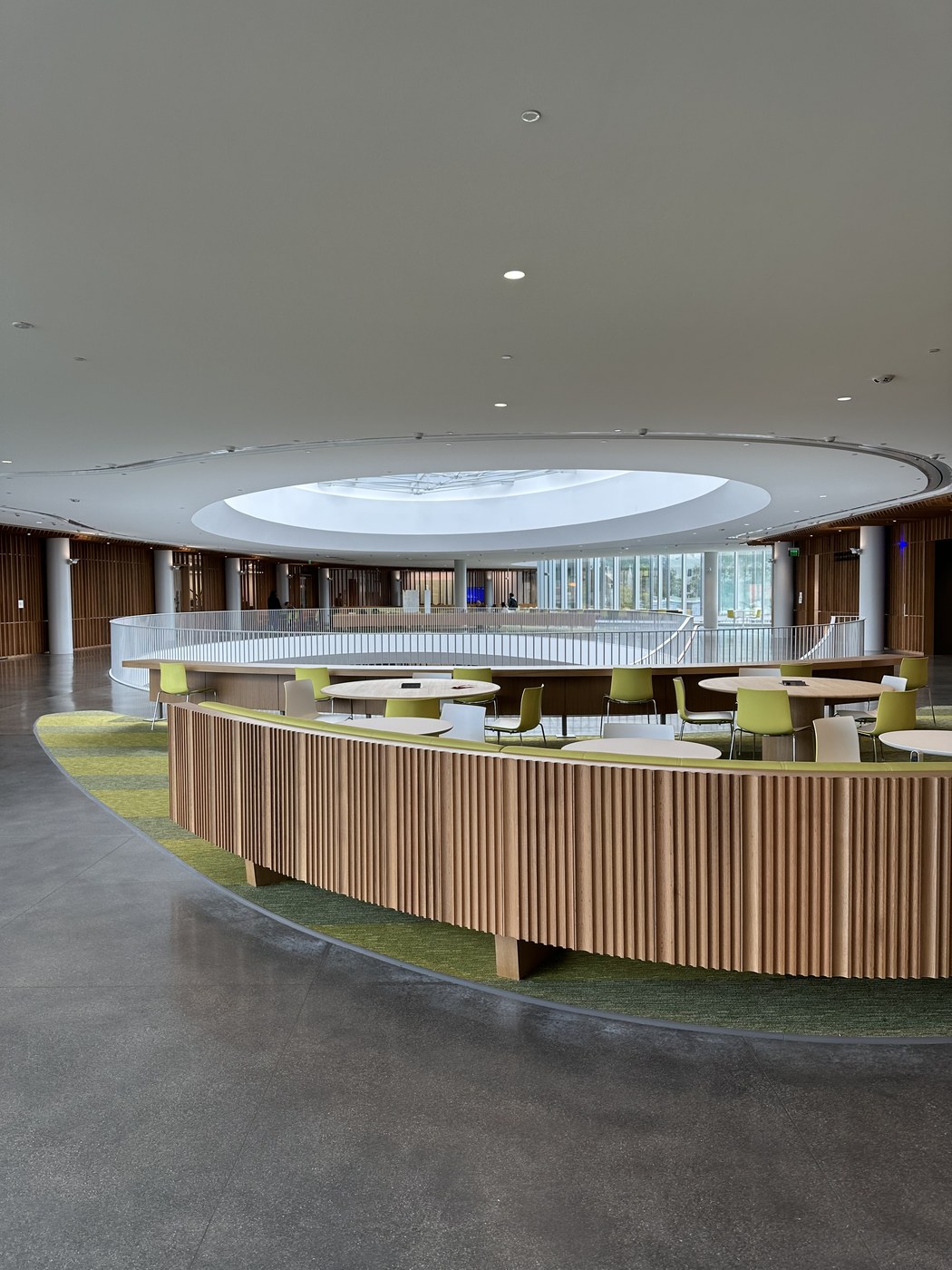
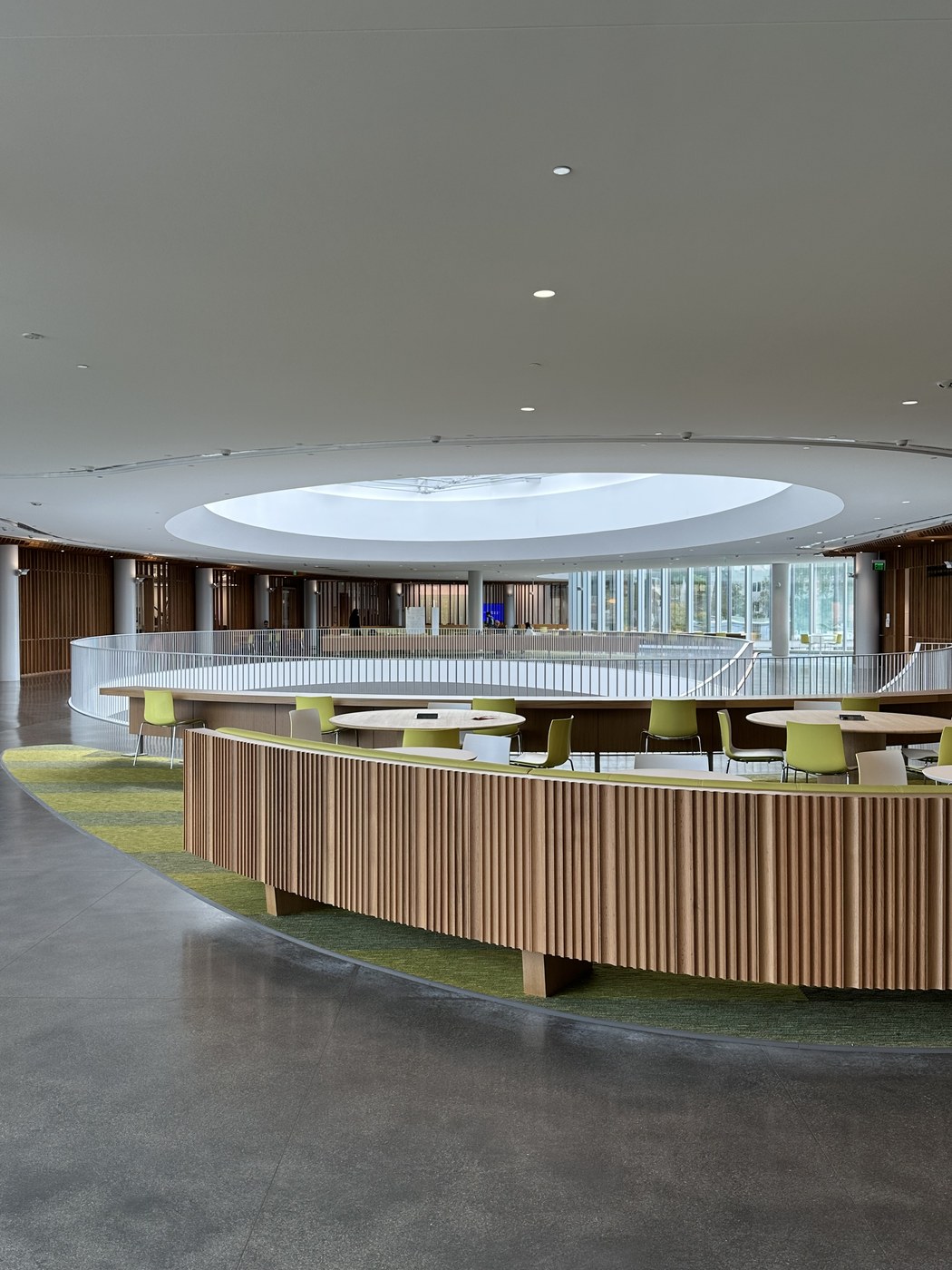
Eight frames down the same corridor, 24 to 95 mm.
 24
 30
 44
 50
 58
 69
 79
 95
Notes
Shot handheld on an iPhone 14 Pro Max. Every focal length here is the 35 mm equivalent from the file's EXIF, not an estimate. The phone switches between its ultrawide, wide and telephoto cameras across this range, so the physical focal length jumps between 2.22, 6.86 and 9 mm.
Images were rotated upright from their EXIF flag, resized to 1400 px and saved as progressive JPEG. The animations run at 150 ms per frame and play forward then backward so they loop cleanly. No cropping, retouching or alignment.
One caveat on Part 3. The zoom was stepped by thumb between handheld shots, so the foreground drifts a little rather than holding exactly. The background swells far more than the foreground drifts, so the effect still reads, but the match is approximate.